





loading
| Availability: | |
|---|---|


The cotter pin physically blocks rotation after installation. This is useful where vibration, movement or repeated load changes could allow an unsecured nut to move from its intended position.
Maintenance personnel can check whether the pin is present and properly secured without dismantling the joint. This supports routine inspection and service procedures.
The connection can be disassembled by removing the cotter pin and nut. During reassembly, the threads and slots should be inspected, and the cotter pin should be replaced when required by the maintenance procedure.
The DIN 935 designation gives buyers and suppliers a common dimensional reference. However, the order still needs a complete material, thread and finish specification.
Component or feature | Function |
|---|---|
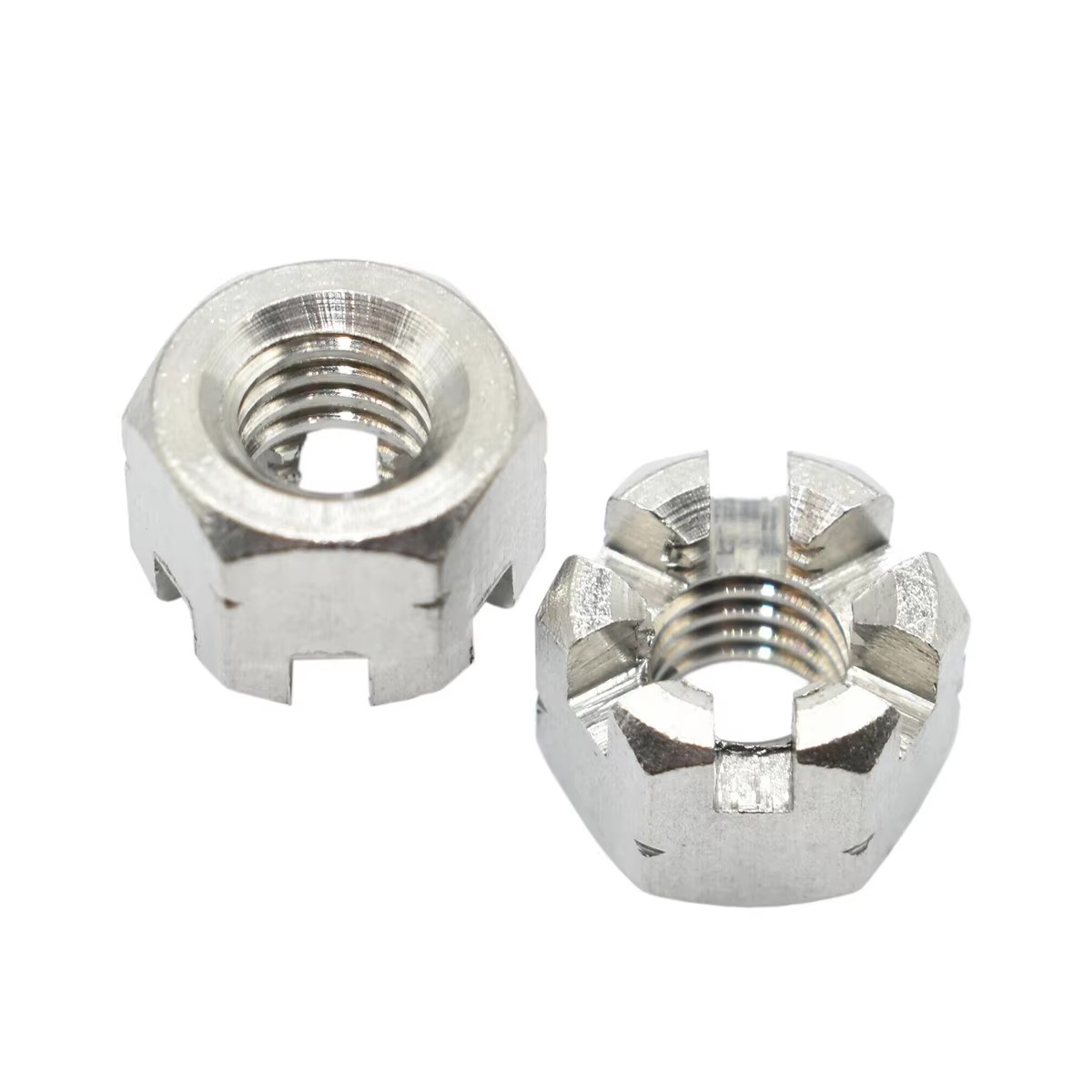
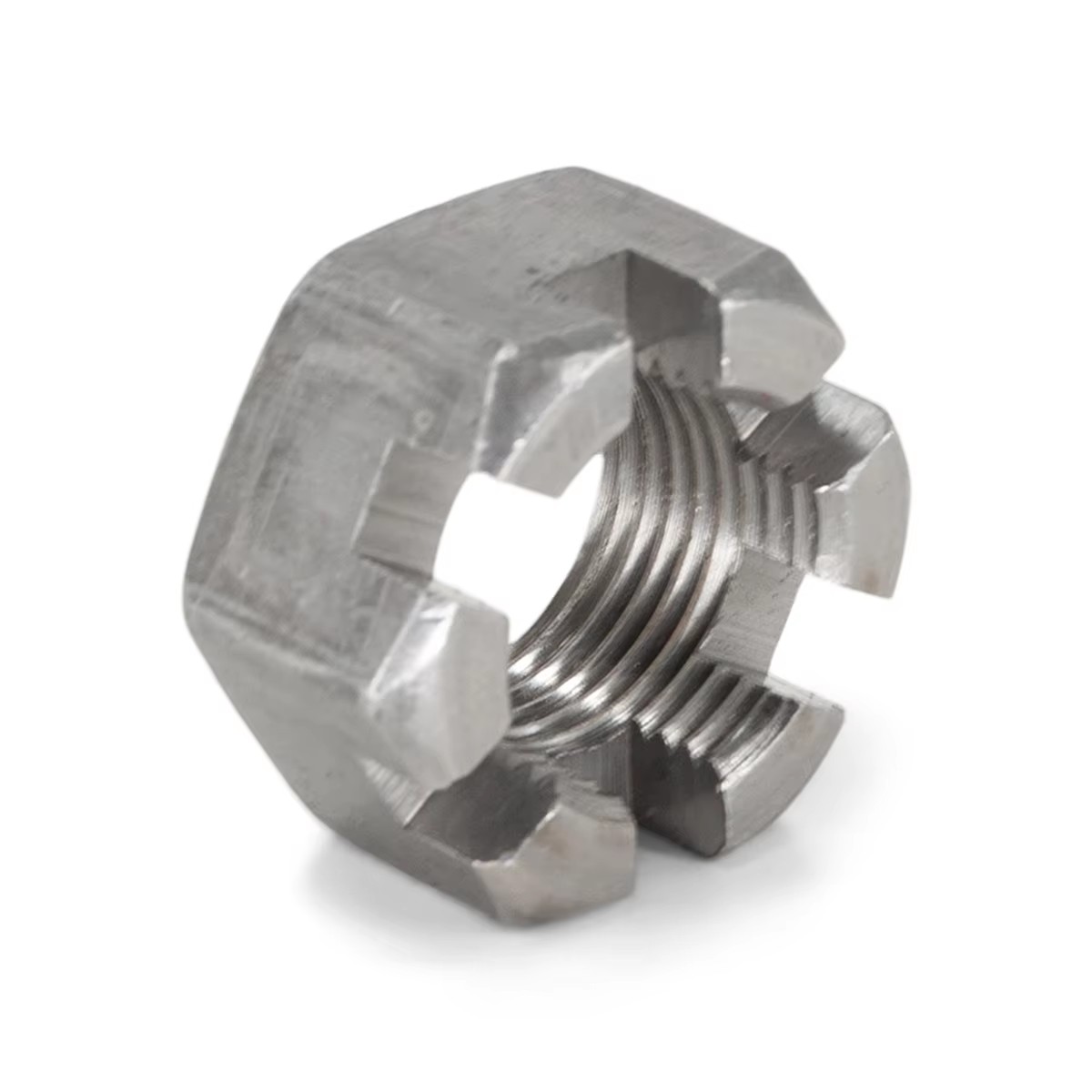
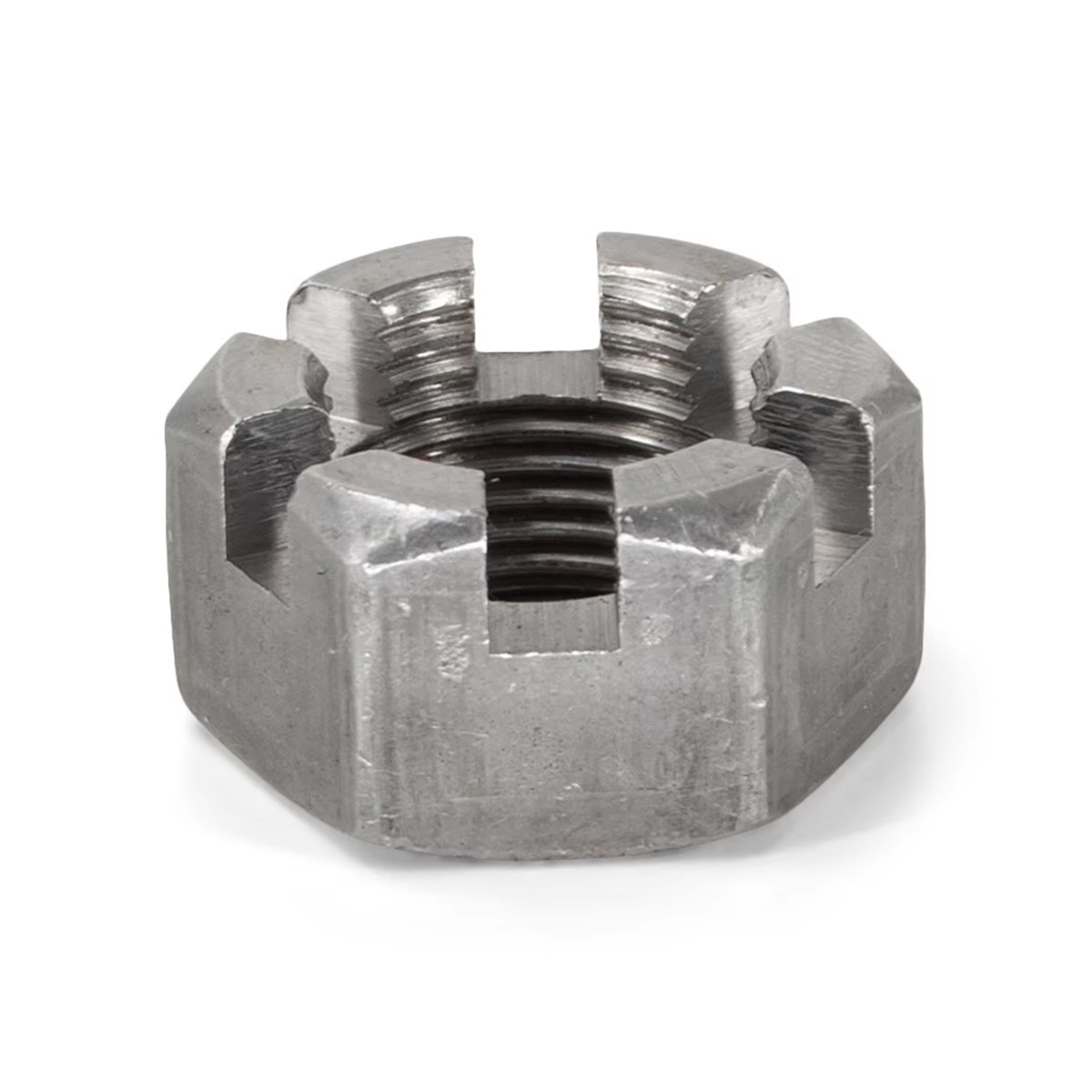
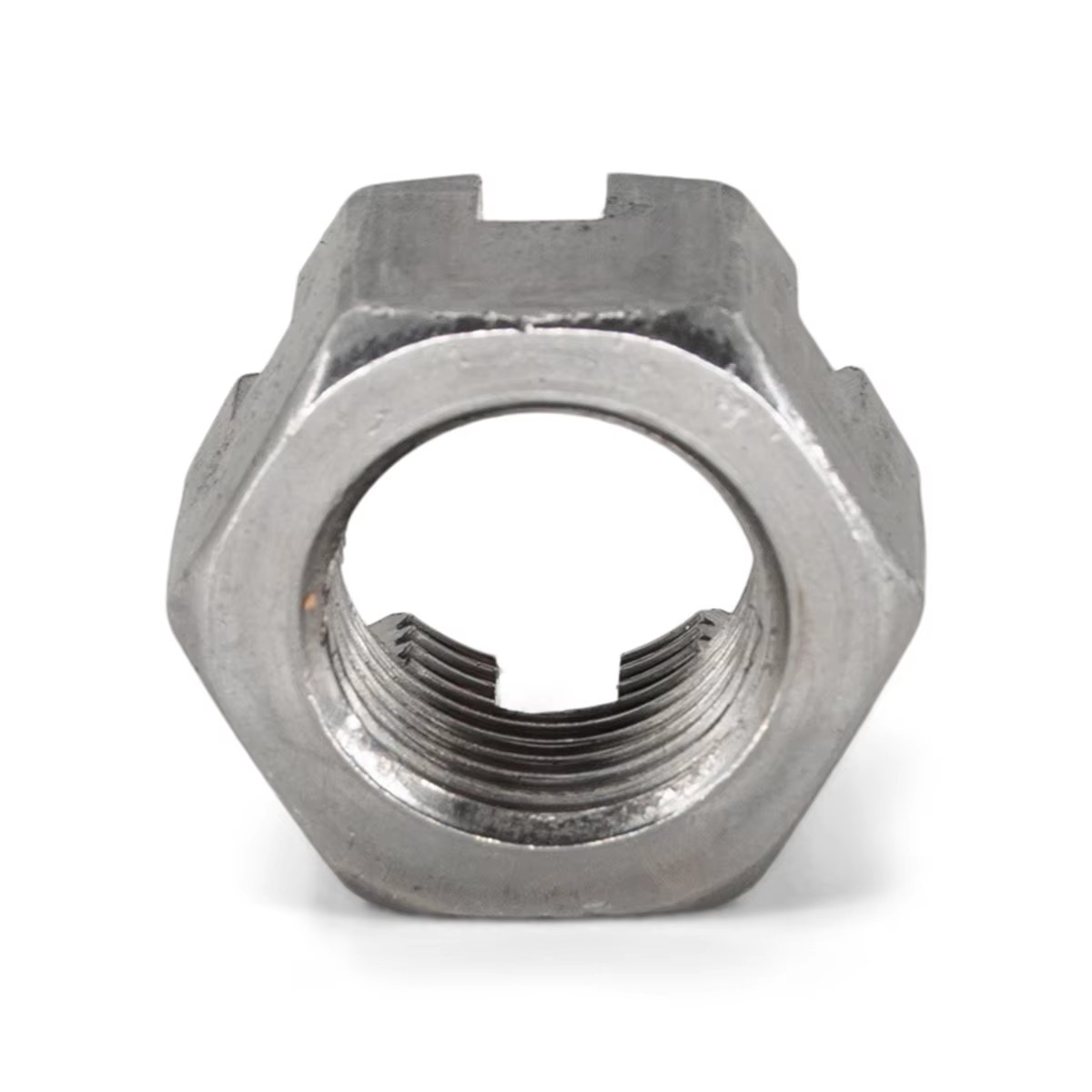
Hexagonal body | Provides wrenching surfaces for installation |
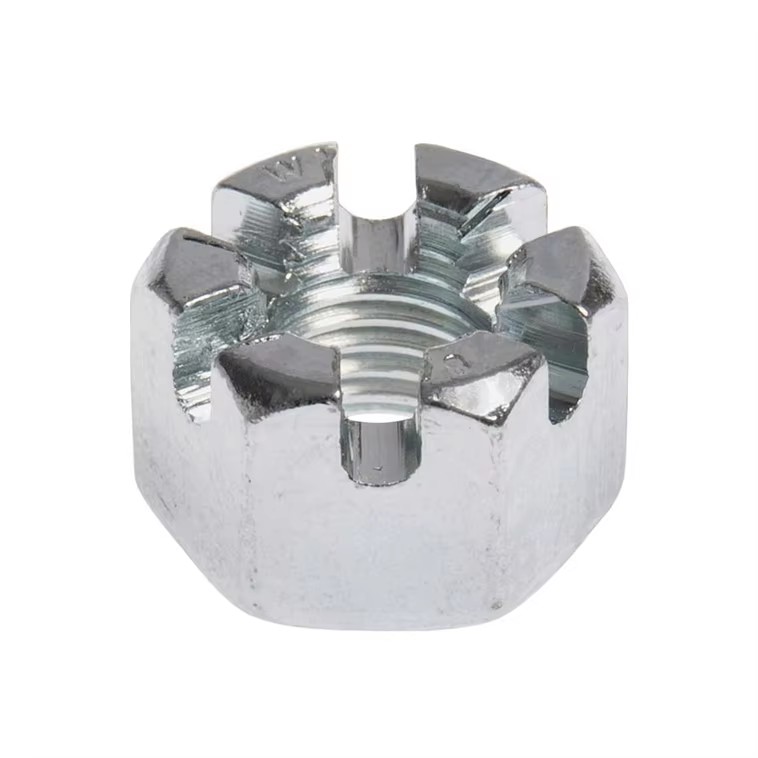
Slotted upper section | Creates alignment positions for the cotter pin |
Internal thread | Engages the matching bolt, stud or shaft |
Cross-hole in mating component | Provides the path for the cotter pin |
Cotter pin | Restricts nut rotation after final alignment |
The cotter pin and drilled mating fastener are part of the complete locking arrangement but may not be included with the nut unless specifically stated in the purchase order.
RFQ field | Current information |
|---|---|
Product name | DIN 935 Hexagon Slotted Nut |
Alternative market term | Castle Nut / Castellated Nut, subject to dimensional confirmation |
Standard | DIN 935 |
Material | Carbon steel is shown on the referenced product pages |
Surface treatment | Zinc plated is shown on the referenced product pages |
Thread | Specify diameter, pitch and tolerance |
Property class | Specify or request confirmation |
Size range | Confirm availability during inquiry |
Cotter pin | Confirm whether required and whether supplied separately |
Packaging | Confirm bulk, bag, box, pallet or private-label requirement |
vehicle axle and hub retention;
steering and suspension connections;
agricultural implements;
construction and earthmoving machinery;
industrial shaft and bearing assemblies;
pivot pins and clevis connections;
machine adjustment points;
maintenance-intensive equipment requiring visible locking.
Application examples are not a substitute for engineering approval. Required load, fatigue, vibration, temperature, corrosion and safety conditions must be evaluated before final selection.
The referenced WF Fastener products identify carbon steel and zinc plating. For an accurate quotation, buyers should state:
required carbon-steel grade or property class;
zinc-plating type and color, if relevant;
coating thickness or corrosion-test requirement;
restrictions on substances or plating processes;
appearance criteria;
whether post-plating thread gauging is required.
Alternative materials or finishes should not be assumed available until confirmed. Where the joint operates in severe outdoor, marine, chemical or high-temperature conditions, submit the environment for technical review.
Include the following information to reduce quotation delays:
DIN 935 designation;
thread diameter and pitch;
material and property class;
surface treatment and corrosion requirement;
required quantity and delivery schedule;
mating bolt, stud or shaft specification;
cross-hole position, where relevant to assembly compatibility;
cotter-pin dimensions and supply scope;
inspection, sample or documentation requirements;
packing, labeling, barcode and pallet requirements;
destination country or port;
application and operating environment.
Depending on the project, the purchase specification may include:
thread gauge inspection;
slot position and slot-width verification;
across-flats and nut-height checks;
material verification;
coating appearance or thickness checks;
burr and sharp-edge control;
fit check with the mating bolt and cotter pin;
pre-production sample approval;
lot identification and final inspection records.
Only tests and documents agreed in the order should be considered part of the supply scope.
Use a compatible bolt or shaft with the specified cross-hole.
Tighten the nut according to the approved joint procedure.
Align a slot with the hole without violating the permitted torque or position.
Insert and secure the correct cotter pin.
Do not rely on friction alone when the design requires pin locking.
Inspect the slots and threads during maintenance.
Replace damaged nuts and used or deformed cotter pins according to the maintenance plan.
No. DIN 935 uses a cotter pin for positive mechanical retention. A nylon insert nut creates prevailing torque through a polymer insert.
It should not be assumed to be included. State the required pin size, material, quantity and supply scope in the RFQ.
WF Fastener has a product page using the term “hex flange slotted nut,” but a flange should not be treated as a universal DIN 935 feature. Submit a drawing or confirm the required geometry before ordering.
The exact available range should be confirmed using the required thread, property class, quantity and delivery date.
No. Suitability depends on coating specification, exposure and required service life. State the corrosion requirement in the inquiry.
For pricing and technical confirmation, send the complete RFQ through the WF Fastener contact page. You may also review the DIN 935 Slotted Nut product category and the referenced carbon steel zinc-plated DIN 935 product.