 English




Hardware maintenance tools, self-service set.
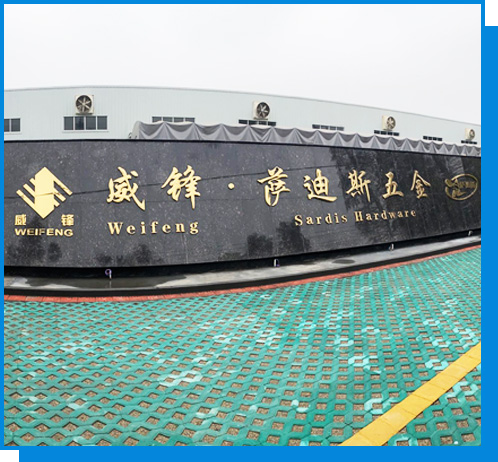
WEIFENG company focuses on credit and developing win-win.
One-to-one dedicated manager service.
Custom Packaging Design,Custom label logo design.


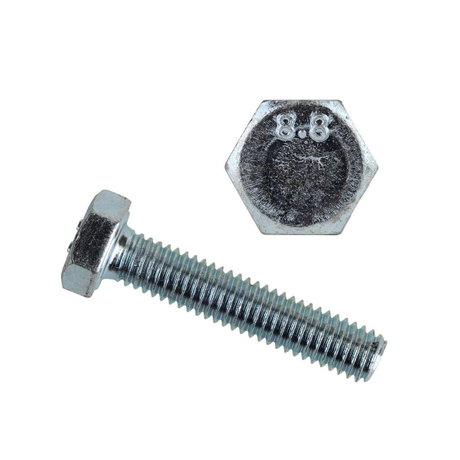
Metric bolt markings such as 4.8, 8.8, 10.9, and 12.9 describe mechanical property classes, not complete application ratings. This guide explains the marking system, distinguishes nominal values from specified minimum properties, and compares the four classes. It also covers preload, coatings, mating hardware, and procurement checks to help buyers specify fasteners accurately and avoid unapproved substitutions.

A class 10.9 bolt can replace a class 8.8 bolt in some assemblies, but higher strength alone does not establish compatibility. This guide explains how preload, tightening conditions, dimensions, mating hardware, coatings, and service loads affect the decision. It also provides a substitution checklist to help maintenance and procurement teams request the correct replacement without unintentionally changing the joint design.

Self-drilling screws can break because of excessive seating torque, unsuitable drilling conditions, incorrect point selection, misalignment, material binding, or product-related problems. This guide explains seven common causes and how to investigate them. It also distinguishes broken screws from worn drill points and stripped connections, helping installers and purchasing teams identify the right corrective action before repeating the installation.

Hex washer head and pan head self-drilling screws differ mainly in drive engagement, head geometry, and bearing surface. This guide compares their installation requirements, clearance needs, and suitability for sheet metal assemblies. It also explains why drilling capacity, connection strength, and weather sealing must be checked separately, helping buyers specify the right fastener for their application.


Metric bolt markings such as 4.8, 8.8, 10.9, and 12.9 describe mechanical property classes, not complete application ratings. This guide explains the marking system, distinguishes nominal values from specified minimum properties, and compares the four classes. It also covers preload, coatings, mating hardware, and procurement checks to help buyers specify fasteners accurately and avoid unapproved substitutions.
A class 10.9 bolt can replace a class 8.8 bolt in some assemblies, but higher strength alone does not establish compatibility. This guide explains how preload, tightening conditions, dimensions, mating hardware, coatings, and service loads affect the decision. It also provides a substitution checklist to help maintenance and procurement teams request the correct replacement without unintentionally changing the joint design.
Self-drilling screws can break because of excessive seating torque, unsuitable drilling conditions, incorrect point selection, misalignment, material binding, or product-related problems. This guide explains seven common causes and how to investigate them. It also distinguishes broken screws from worn drill points and stripped connections, helping installers and purchasing teams identify the right corrective action before repeating the installation.
Hex washer head and pan head self-drilling screws differ mainly in drive engagement, head geometry, and bearing surface. This guide compares their installation requirements, clearance needs, and suitability for sheet metal assemblies. It also explains why drilling capacity, connection strength, and weather sealing must be checked separately, helping buyers specify the right fastener for their application.