
 English


Views: 0 Author: Site Editor Publish Time: 2026-09-28 Origin: Site


Using the wrong driver bit carries hidden operational costs that quickly compound on any job site. Stripped fastener heads, snapped bits, marred base materials, and compromised structural joints all stem from improper tool matching. Driving fasteners through thick metal substrates requires sustained high RPMs and highly specific downforce. Standard bits simply fail under these extreme torsional loads. They lead to cam-out, severe overheating, and inconsistent thread engagement.
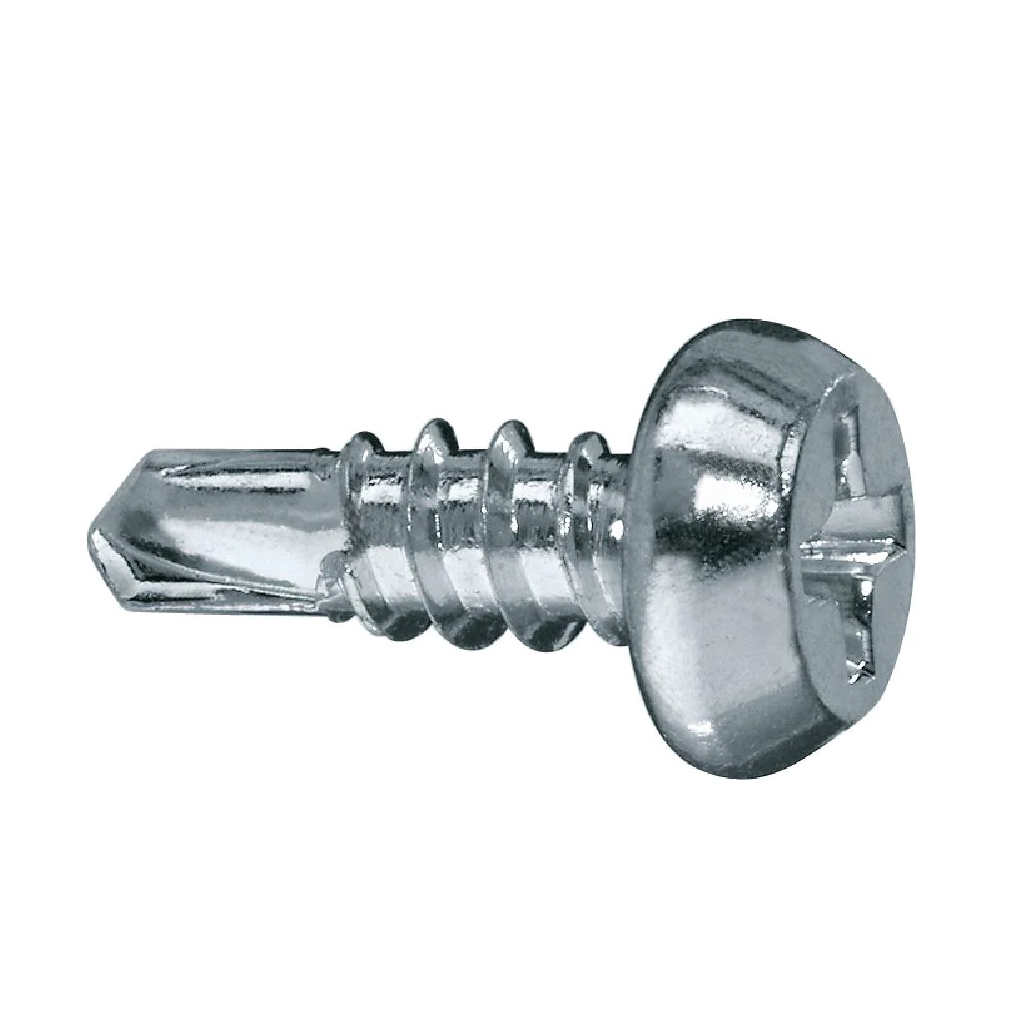
You need a technical framework for selecting the exact self drilling screw bit based on drive type, bit metallurgy, fastener specifications, and tool compatibility. Factoring in gauge, thread pitch, and drill point size ensures reliable, repeatable fastening. When you align the bit geometry with the power tool's output and the fastener's design, you eliminate the friction points that slow down production and degrade joint integrity.
Cam-out occurs when rotational force exceeds the friction holding the bit inside the fastener drive. Inadequate bit engagement forces the driver upward and out of the recess during high-torque applications. This physical ejection strips the drive recess and damages the fastener head. When operators drive fasteners into heavy 12-gauge purlins or structural steel, the required torque naturally pushes the bit away from the work surface. If the bit geometry does not perfectly match the screw head, the resulting slippage destroys the drive recess in a matter of seconds.
The consequences extend far beyond a ruined screw. Cam-out destroys the protective zinc or galvanized coatings applied to the fastener head. Stripping away this sacrificial layer exposes bare steel to moisture and atmospheric elements. This leads directly to premature corrosion, structural degradation, and eventual joint failure. Maintaining positive engagement prevents this destructive cycle and keeps the weather-resistant coatings intact.
Driver bits experience maximum stress at a very specific moment during installation. A massive spike in torque occurs the exact millisecond the screw's drill flute finishes cutting and the threads first engage the base metal. The fastener suddenly transitions from cutting material to pulling itself through the substrate. This transition creates a violent shockwave that travels directly up the shaft of the driver bit.
Rigid, non-impact-rated bits cannot handle this sudden kinetic energy transfer. They lack the necessary flex to absorb the rotational shock. The failure sequence typically follows a predictable pattern:
This torsional shear halts production and often leaves a broken bit permanently wedged in a partially driven screw, requiring extraction tools and wasting valuable labor hours.
A poorly fitted bit creates instability, causing the operator to apply off-axis pressure to keep the tool engaged. When the drill does not sit perfectly perpendicular to the work surface, the drill point bears uneven friction. Operators naturally lean into the tool when they feel the bit slipping, which only exacerbates the misalignment.
This off-axis pressure rapidly overheats and burns out the drill point of Self-Drilling Screws before they can penetrate the metal thickness. The cutting edges dull instantly against the hard substrate. Operators then attempt to force the blunted screw through the metal, which only bends the fastener or damages the base material further. A properly matched bit holds the fastener straight, allowing the drill point to do the work without excessive manual force.
External hex drives provide a massive mechanical advantage for metal-to-metal fastening. By wrapping around the outside of the fastener head, a hex bit transfers torque efficiently without the outward forces that cause cam-out. This design handles the heavy rotational loads required to push thick fasteners through structural steel. The surface area contact between the bit and the fastener is significantly higher than internal drive types, distributing the load evenly.
Magnetic nut setters are absolutely necessary for this drive type. They hold the heavy fastener securely, allowing for one-handed operation. This stability keeps the screw perfectly aligned during the initial drilling phase, preventing the point from walking across the metal surface. When working on ladders or scaffolding, the magnetic retention prevents dropped fasteners and keeps the operator focused on maintaining a perpendicular drive angle.
The six-point internal drive design of a Torx bit offers near-zero cam-out properties. The vertical sidewalls of the star shape mean rotational force is applied at a right angle to the fastener. No upward force is generated, meaning the bit stays firmly seated even under extreme torque. This geometry allows the power tool to transfer 100% of its rotational energy directly into the drilling action rather than fighting to keep the bit seated.
Torx drives excel in specific use cases where external hex heads are impractical. Flush-mount applications, countersunk heads, and high-vibration environments all benefit from Torx designs. They allow operators to apply maximum torque without damaging the surrounding material or stripping the internal recess. In architectural metal panels where aesthetics matter, Torx drives prevent the scratching and marring often associated with slipping bits.
Historical reliance on Phillips (#2 and #3) and Square (#2) bits remains common, but their structural limitations are severe in heavy applications. Phillips drives were intentionally designed to cam-out to prevent over-tightening on assembly lines. This feature becomes a major liability when driving through thick metal. The tapered cross shape forces the bit upward as torque increases, requiring massive manual downforce to keep it engaged.
You must restrict their recommended use to lighter gauge sheet metal, aluminum, or softer substrates. When applied to thick structural steel, the high cam-out risk leads to stripped heads and rapid bit wear. Square drives offer slightly better engagement than Phillips because of their vertical sidewalls, but they still fall short of Torx or Hex for heavy-duty metal fabrication. Square drives often suffer from the bit wedging tightly into the recess, requiring the operator to forcefully yank the tool away after the screw is seated.
| Drive Type | Cam-Out Resistance | Torque Transfer | Best Application |
|---|---|---|---|
| Hex Washer | Very High | Excellent | Structural steel, heavy gauge framing, roofing |
| Torx / Star | Very High | Excellent | Flush-mount metal panels, high-vibration joints |
| Square (Robertson) | Medium | Good | Light gauge metal, aluminum framing |
| Phillips | Low | Poor | Thin sheet metal, drywall to metal studs |
Standard CR-V (Chrome Vanadium) steel works well for hand tools and light fastening, but it lacks the structural integrity for heavy metal drilling. CR-V tends to be either too soft, leading to rapid wear on the drive edges, or too brittle, leading to shattering under impact loads. When subjected to the continuous vibration of an impact driver, CR-V bits degrade quickly, rounding off and losing their grip on the fastener.
S2 tool steel provides superior hardness and exceptional shock resistance. The specific alloy composition allows it to withstand the continuous vibration and high torque demands of metal fabrication. S2 steel typically achieves a Rockwell Hardness (HRC) of 58 to 62, striking the perfect balance between hardness and ductility. You must establish S2 steel as the baseline requirement for any bit used to drive fasteners into structural steel.
Impact-rated bits feature engineered torsion zones designed specifically for modern high-torque tools. The torsion zone is a narrowed section of the bit shaft that flexes slightly under load. This controlled twisting acts as a shock absorber, dissipating the torque spikes that occur when threads engage. Without this flex, the kinetic energy transfers directly to the tip of the bit, causing it to snap.
Evaluating the return on investment for impact-rated bits is straightforward. While they carry a higher upfront cost, they drastically reduce replacement frequency. A single impact-rated torsion bit will outlast dozens of standard bits, eliminating the downtime spent constantly swapping out shattered drivers. On a large commercial job site, the labor savings from reduced tool changes far outweigh the initial purchase price of premium bits.
Heat is the primary enemy of any driver bit. Titanium Nitride (TiN) coatings provide excellent heat dissipation during long drill times. This golden coating reduces friction between the bit and the fastener, keeping the tool steel cooler and maintaining its hardened temper. When drilling through half-inch steel, the bit can reach temperatures that would normally soften untreated steel. TiN coatings prevent this thermal degradation.
For internal drives like Phillips or Torx, diamond-grit tips offer significant advantages. The micro-abrasive surface bites into the fastener recess, drastically increasing friction. This grip enhancement prevents the bit from slipping, reducing cam-out and extending the usable life of both the bit and the fastener. The diamond particles act like tiny teeth, locking the bit into the screw head even when the operator cannot apply perfect perpendicular downforce.
Drill point sizes dictate the maximum metal thickness a fastener can penetrate. You must map these sizes to your material capacities. A #2 point handles light sheet metal, while a #5 point can drill through up to 1/2-inch thick structural steel. Using a bit that cannot handle the specific torque requirements of these different drill points will result in immediate failure.
Larger drill points require lower RPMs but demand significantly higher sustained torque. Driving a #5 point at high speeds will instantly burn up the cutting edges. This relationship dictates a highly durable bit and specific tool settings. The bit must handle the slow, grinding torque required to push a massive drill point through heavy steel without twisting or shearing under the sustained load.
| Drill Point Size | Max Metal Thickness | Recommended RPM | Required Bit Durability |
|---|---|---|---|
| #1 Point | Up to 0.090" | 2500 RPM | Standard / Medium |
| #2 Point | Up to 0.110" | 2500 RPM | Standard / Medium |
| #3 Point | Up to 0.210" | 2000 RPM | High (Impact Rated) |
| #4 Point | Up to 0.312" | 1500 RPM | Maximum (S2 Torsion) |
| #5 Point | Up to 0.500" | 1500 RPM | Maximum (S2 Torsion) |
The length of the drill flute determines the maximum material thickness the screw can handle. More importantly, the flute provides a critical channel for chip removal (swarf) during the drilling action. If the flute clogs, the screw stops cutting and simply generates friction heat. The driver bit must maintain a steady, unyielding rotation to keep these chips flowing out of the drill hole.
The driver bit must maintain positive, stable engagement to ensure the screw has sufficient threads to fully engage the base metal. For example, when attaching materials to 1/4-inch base steel, the bit must drive the fastener straight and true so the threads catch without jamming, cross-threading, or overheating the joint. Any wobble in the bit will cause the screw to bore a hole wider than its threads, resulting in a stripped joint with zero holding power.
Selecting the right screw gauge and thread pitch for sheet metal versus structural steel directly impacts the required driving torque. Coarse threads in thin metal pull through quickly, requiring less sustained force. The bit only needs to endure a brief moment of torque as the screw seats against the material.
Conversely, fine threads in thick metal create much higher sustained friction. The bit must push the screw through multiple rotations under heavy load. This requires a bit with superior heat resistance and a highly active torsion zone to prevent snapping during final seating. Matching the bit to the thread pitch prevents catastrophic failure at the end of the drive cycle, ensuring the fastener seats tightly without shearing the head off.
Lobular design refers to a specific geometric shape inside a hex nut setter. Instead of applying force to the sharp corners of the hex head, a lobular setter drives the flat sides of the fastener. This slight recess in the corners of the bit allows the tool to grip the strongest part of the screw head.
This specific bit geometry prevents rounding off the hex heads. When you drive the flats, you distribute the torque over a wider surface area. This ensures the fasteners remain intact and can be easily removed later for maintenance, inspection, or structural modifications. Standard hex setters that drive the corners will quickly strip the fastener, turning a simple hex head into a smooth, unremovable circle.
Heavy fabrication demands the most robust tooling available. When driving #4 and #5 point fasteners into thick I-beams and heavy gauge steel, standard bits will shatter instantly. The sustained torque required to push a fastener through half an inch of steel generates immense heat and mechanical stress on the driver bit.
You must specify impact-rated S2 hex bits for these environments. The combination of the hex drive's torque transfer and the S2 steel's shock absorption is the only way to consistently seat heavy fasteners without constant tool breakage. Operators working on structural steel frames cannot afford to stop every ten minutes to extract a broken bit from a partially driven fastener.
HVAC installations rely on lighter gauge, fine-pitch screws. The primary goal here is preventing stripped holes and loose joints in thin ductwork. Over-torquing is a constant risk, as the thin sheet metal offers very little resistance once the drill point breaks through.
Bit selection should favor precision-milled Torx or high-grip Phillips bits. These designs allow for precise control during the final seating phase. The bit must provide enough grip to drive the screw quickly, but allow the operator to stop instantly once the fastener sits flush against the sheet metal. Using heavy, oversized bits in HVAC applications often leads to over-driving, which ruins the airtight seal required for ductwork.
Roofing applications introduce the challenge of weather-sealing washers and anti-corrosion coatings. Driving these fasteners requires a delicate balance of torque and protection. The bit must drive the screw firmly enough to compress the EPDM rubber washer, but not so hard that it crushes the washer and breaks the weather seal.
You must evaluate the use of magnetic lobular nut setters for exterior cladding. The lobular design protects the painted heads of roofing fasteners from scratching and rounding. Scratched paint leads to rust streaks down the side of a building. The magnetic hold ensures the screw doesn't drop, protecting the fragile EPDM rubber washers from being crushed or misaligned during installation.
The debate between impact drivers and variable speed drills centers on torque delivery. Impact drivers offer massive high torque and significantly reduce operator fatigue. However, the violent hammering action can easily snap screw heads if the bit doesn't absorb the shock properly. The rapid succession of impacts requires a torsion-rated bit to survive the installation process.
Variable speed drills offer precise RPM control, which is absolutely crucial for #4 and #5 drill points that require slow, steady cutting. The trade-off is that drills require much higher manual downforce from the operator. You must match the tool to the drill point size, and ensure the bit is rated for the specific tool you choose. Using a non-impact bit in an impact driver guarantees failure, while using an impact bit in a standard drill offers excellent durability but requires careful speed management.
Metal shavings (swarf) accumulate rapidly in magnetic hex bits. This is a major operational risk. Packed swarf prevents the fastener head from seating deeply into the bit, which immediately causes cam-out and rounding. The shavings compress into a solid puck at the bottom of the nut setter, pushing the fastener out of the drive zone.
Implement strict mitigation strategies on the job site. Use rare-earth magnets with easy-clean designs that allow operators to wipe away shavings quickly. For environments with excessive metal dust, switch to C-ring retention bit holders for non-magnetic applications, completely eliminating the swarf accumulation problem. Operators should carry a small pick or use compressed air to clear their magnetic bits regularly throughout the shift.
Over-driving a fastener strips the base metal threads, completely compromising the structural integrity of the joint. Once the threads strip, the fastener provides zero holding power. This is especially problematic in thin sheet metal applications where the margin for error is incredibly small.
Discuss the mandatory use of depth-sensitive nosepieces and clutch settings on your power tools. A properly calibrated clutch will disengage the drive the moment the fastener seats. This mechanical safeguard prevents operator error and ensures every fastener is driven to the exact required depth without stripping the base material. Combining a high-quality bit with a properly set clutch guarantees repeatable, secure fastening across the entire project.
The driver bit serves as the critical link between the power tool and the fastener. Compromising on bit quality completely negates the engineering of the screw. If the bit fails, the fastener fails, and production grinds to a halt. Selecting the correct geometry, metallurgy, and tool pairing ensures your fasteners perform exactly as designed under heavy structural loads.
Standardize your inventory on impact-rated S2 steel bits. Choose lobular magnetic hex setters for all external drives to protect fastener heads. Rely on precision-milled Torx bits for internal drives to eliminate cam-out.
A: For heavy gauge steel, use an impact-rated S2 tool steel hex bit with a lobular design. This combination absorbs the massive torque spikes generated when driving large #4 or #5 drill points, while the lobular shape prevents rounding off the fastener head under extreme pressure.
A: No. Standard bits lack the flexibility to handle the violent hammering action of an impact driver. They will shatter or shear off quickly. Always use impact-rated bits featuring a torsion zone to absorb the kinetic energy and prevent catastrophic bit failure.
A: Bits break at this exact moment due to torsional shear. When the drill point finishes cutting and the threads suddenly bite into the metal, torque requirements spike instantly. If your bit lacks a torsion zone to absorb this shock, the rigid steel simply snaps.
A: Larger drill points (like #4 or #5) require low RPMs and massive, sustained torque to cut through thick steel. This demands a highly durable, impact-rated bit. Smaller drill points (#2) run at higher RPMs and require precision bits to prevent over-driving in thin metal.
A: Metal shavings (swarf) prevent proper seating. Use an air compressor to blow out the recess, or press a piece of strong tape into the bit to pull the shavings out. Upgrading to easy-clean magnetic setters or C-ring non-magnetic holders prevents this buildup entirely.
A: Yes. A magnetic nut setter is crucial for stability. It holds the heavy fastener securely, allowing for one-handed operation. This keeps the screw perfectly perpendicular to the metal surface, preventing the drill point from walking or burning out due to off-axis pressure.