
 English


Views: 0 Author: Site Editor Publish Time: 2026-06-16 Origin: Site


Choosing the right fastener can make or break a structural project. Hex bolts and carriage bolts are common but very different. Which one suits your needs best?
This article explores their design, strength, and installation differences. You’ll learn when to use each bolt type for reliable, lasting results.
Hex bolts feature a six-sided head designed for easy gripping by a wrench or socket. This hexagonal shape allows users to apply significant torque, making tightening or loosening straightforward. Typically, you need access to both sides of the assembly: one to hold the bolt head and the other to tighten the nut. This two-sided installation is common in metal-to-metal or heavy-duty structural applications. The exposed hex head offers a robust, industrial look but requires proper tool engagement to avoid stripping.
Carriage bolts stand out due to their smooth, rounded dome head and a square neck just beneath it. The square neck fits snugly into a square or round hole in wood or metal, preventing the bolt from spinning during tightening. This design enables one-sided installation, as you only need to hold the nut side with a wrench. The rounded head provides a clean, finished appearance, ideal for visible surfaces like furniture, decks, or fences. However, the square neck primarily works best in wood, where it bites into fibers to lock the bolt in place.
The head shape and neck design directly influence each bolt's function and aesthetics. Hex bolts deliver high clamping force and are suited for heavy loads, but their protruding heads can be visually intrusive. Carriage bolts offer a smoother, less obtrusive finish, making them favored where appearance matters. Functionally, carriage bolts’ square neck offers excellent anti-rotation and vibration resistance, especially in wood applications. Hex bolts provide greater strength and versatility across materials but often require more installation effort and access.
Feature | Hex Bolt | Carriage Bolt |
|---|---|---|
Head Shape | Hexagonal | Rounded dome |
Neck Design | Smooth shaft | Square neck under head |
Installation Access | Two-sided (bolt head and nut) | One-sided (nut only) |
Appearance | Industrial, exposed | Clean, finished |
Anti-Rotation Feature | Requires holding bolt head | Square neck prevents spinning |
Best Material Fit | Metal, wood, composites | Wood, wood-to-metal |
This design difference affects tool choice, installation speed, and final look. Hex bolts need wrenches or sockets on the head, while carriage bolts only require a wrench on the nut side. The square neck also makes carriage bolts less prone to loosening under vibration, a valuable trait in dynamic environments.
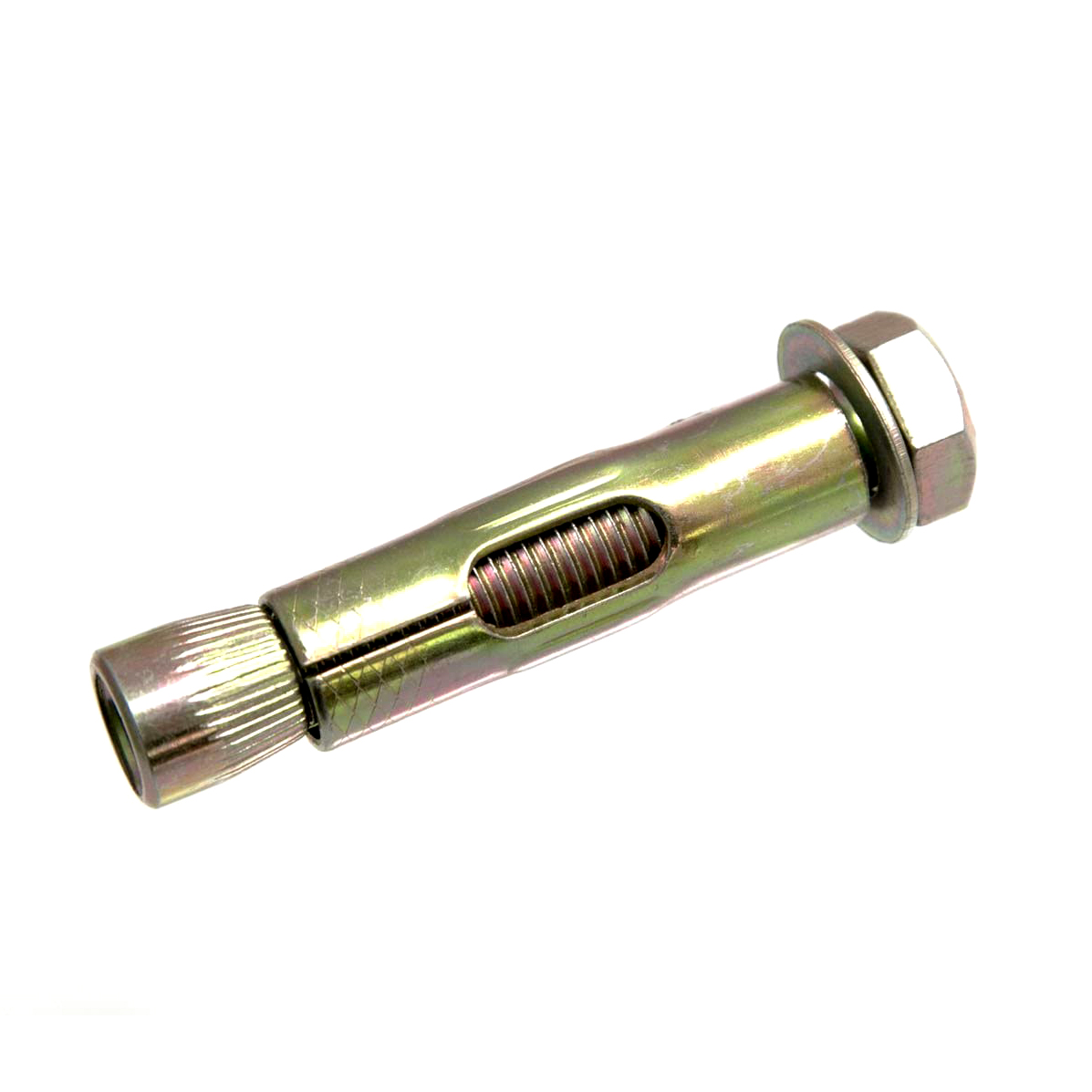
Hex bolts come in various materials to suit different environments and strength needs. Common materials include:
Carbon Steel: Offers good strength and affordability for general use.
Alloy Steel: Provides higher tensile strength, ideal for heavy-duty applications.
Stainless Steel: Resists corrosion, perfect for outdoor or marine environments.
Galvanized Steel: Coated to prevent rust, suitable for heavy-duty outdoor use.
Zinc-Plated Steel: Offers moderate corrosion resistance, often used indoors.
Hex bolts are graded by strength, typically ranging from Grade 2 (low strength) to Grade 8 (high strength). For example, Grade 8 hex bolts have tensile strengths up to 150,000 psi, making them suitable for structural and mechanical applications where maximum load capacity is critical.

Carriage bolts usually come in steel or stainless steel, often galvanized for corrosion resistance. Their design suits wood and wood-to-metal connections because the square neck locks into wood fibers, preventing rotation during tightening.
While carriage bolts can be used in metal, they generally lack the high tensile strength of hex bolts. They perform best in wood applications or light metal fastening where moderate strength suffices. Their smooth, rounded head also helps provide a clean finish on visible surfaces.
Hex bolts typically offer higher load-bearing capacity and shear strength compared to carriage bolts. This makes them the preferred choice for metal structures, machinery, and heavy-duty construction.
Carriage bolts, while strong enough for many woodworking projects, have lower shear strength. They are not ideal for high-stress metal-to-metal joints but excel in applications where vibration resistance and a neat appearance are important.
Feature | Hex Bolt | Carriage Bolt |
|---|---|---|
Material Options | Carbon, alloy, stainless, galvanized, zinc-plated steel | Steel, stainless steel, galvanized steel |
Strength Grades | Grade 2 to Grade 8 (low to high) | Generally lower strength ratings |
Tensile Strength (example) | Up to 150,000 psi (Grade 8) | Moderate, varies by material |
Best Material Compatibility | Metal, wood, composites | Wood, wood-to-metal |
Load-Bearing Capacity | High | Moderate |
Shear Strength | High | Lower |
This difference in strength and material compatibility means hex bolts are suited for demanding structural applications, while carriage bolts are ideal for moderate loads where appearance and ease of installation matter.
Installing hex bolts requires access to both sides of the joint. One side holds the hex head steady, while the other tightens the nut. You’ll need tools like a wrench, socket set, or ratchet to grip the bolt head and nut. The hex shape provides a solid grip, letting you apply high torque efficiently. This two-sided access ensures a strong, secure fastening, especially important in structural or metal-to-metal assemblies. However, it means you must have space to work on both sides, which can be a limitation in tight or confined areas.
Carriage bolts simplify installation by allowing one-sided access only. Thanks to their square neck just below the rounded head, they lock into the material—usually wood—preventing the bolt from spinning. This means you only need a wrench for the nut side. No tool is needed on the head side, making installation faster and easier when the bolt head is hard to reach or must remain smooth and unobstructed. This feature is especially handy in woodworking, decking, or furniture projects where only one side is accessible.
Both hex bolts and carriage bolts usually require pre-drilling holes for proper fit and alignment. Hex bolts often need a drilled hole sized for the bolt diameter, plus tapping or nut placement on the opposite side. This process can take more time, especially in metal or composite materials, due to the need to hold the bolt head and tighten the nut simultaneously.
Carriage bolts also require a pre-drilled hole, but it must be sized to fit the square neck snugly. This ensures the bolt locks into place and prevents spinning during tightening. Pre-drilling for carriage bolts is generally quicker and less complex, especially in wood. Installation time is reduced because you only tighten the nut, and the bolt head side requires no tools.
Installation Aspect | Hex Bolt | Carriage Bolt |
|---|---|---|
Access Needed | Two-sided (bolt head and nut) | One-sided (nut only) |
Tools Required | Wrench, socket, ratchet | Wrench for nut only |
Pre-drilling Complexity | Moderate to high (metal or wood) | Low to moderate (wood, wood-metal) |
Installation Speed | Slower due to two-sided tightening | Faster due to one-sided tightening |
This difference in installation technique often guides the choice between these bolts. If you only have access to one side of the assembly, carriage bolts are the practical choice. For applications where maximum clamping force and strength are needed, and two-sided access is possible, hex bolts remain the preferred option.

Hex bolts are known for their strong, industrial look. Their six-sided heads are often visible after installation, lending a rugged, mechanical vibe to the project. This appearance suits heavy-duty applications like machinery, metal frameworks, and construction where function outweighs form. The exposed hex head can sometimes be seen as bulky or less refined, especially in settings where aesthetics matter. However, their solid, angular shape clearly signals durability and strength, which can be a design choice in industrial or modern architectural styles.
Carriage bolts offer a much smoother, polished appearance. Their rounded, dome-shaped heads sit flush or slightly above the surface, creating a neat, unobtrusive finish. This makes them popular in woodworking, furniture, decks, and fences—projects where visible fasteners should not disrupt the design. The absence of tool marks on the head side enhances their clean look, while the square neck hidden inside the material prevents spinning during installation. This combination of function and form makes carriage bolts ideal for applications needing both strength and visual appeal.
When deciding between hex and carriage bolts, consider how much the fastener will show. If the bolt heads are hidden or the setting is industrial, hex bolts fit well. But if the fasteners will be visible and the project demands a tidy, professional look, carriage bolts are often better. For example:
Outdoor decks or railings benefit from carriage bolts’ smooth heads to avoid snagging clothes or skin.
Metal structures or machinery favor hex bolts for their strength and ease of tool engagement, despite the rougher look.
Furniture makers often prefer carriage bolts to maintain a sleek aesthetic on exposed surfaces.
Balancing appearance with performance is key. Sometimes, a project might require the strength of hex bolts but also wants a cleaner look. In such cases, washers, bolt covers, or decorative caps can help soften the industrial feel.
Carriage bolts excel in resisting vibration thanks to their unique square neck design. When installed, the square neck fits tightly into the material, usually wood, locking the bolt in place and preventing it from spinning or loosening under constant movement. This anti-rotation feature is especially valuable in structures exposed to dynamic forces, such as decks, fences, or furniture that may experience regular shaking or shifting. The smooth, rounded head also reduces snagging risks, which can help maintain bolt integrity over time.
Hex bolts are known for their high durability and strength, making them suitable for heavy-duty structural uses. However, their exposed hexagonal heads do not inherently prevent loosening from vibration. To address this, additional locking mechanisms like lock washers, nylon-insert lock nuts, or thread-locking adhesives are often employed. These solutions help maintain clamping force and prevent bolt loosening in high-stress or vibrating environments such as machinery, automotive assemblies, or metal frameworks.
Choosing between carriage and hex bolts depends largely on the environment's demands. For wood-based projects subject to vibration, carriage bolts provide a built-in locking advantage, reducing maintenance needs. In contrast, hex bolts offer superior tensile and shear strength, making them the go-to for metal structures or high-load applications. When vibration is a concern in these settings, pairing hex bolts with proper locking devices ensures reliability. Both bolt types can perform well under dynamic stress if selected and installed correctly.
Choosing between hex bolts and carriage bolts depends on several key factors that influence your project's success. First, consider the material you're fastening. Hex bolts excel in metal assemblies and heavy-duty applications because they come in a wide range of materials and strength grades. Carriage bolts are best suited for wood or wood-to-metal connections, where their square neck locks into the wood fibers to prevent rotation.
Next, evaluate the strength requirements. Hex bolts offer higher tensile and shear strength, making them ideal for structural projects needing maximum load capacity. Carriage bolts provide moderate strength, sufficient for many woodworking and light structural tasks but not for high-stress metal joints.
Appearance also matters, especially if the fastener will be visible. Carriage bolts have a smooth, rounded head that creates a clean, finished look. Hex bolts, with their exposed hexagonal heads, give a more industrial appearance, which can be acceptable or even preferred in machinery or metal frameworks.
Lastly, assess your installation access. Hex bolts require two-sided access: one side to hold the bolt head, the other to tighten the nut. Carriage bolts only need access on the nut side, thanks to their square neck that prevents spinning. This makes carriage bolts easier to install where only one side is accessible, such as in decking or furniture assembly.
Use hex bolts when:
You need high strength and durability.
The project involves metal-to-metal fastening.
Two-sided access for installation is available.
An industrial appearance is acceptable.
You require a variety of material and grade options for corrosion resistance or special environments.
Use carriage bolts when:
Working primarily with wood or wood-to-metal joints.
Only one side of the assembly is accessible.
A smooth, finished appearance is important.
Moderate strength suffices.
You want built-in anti-rotation without extra tools.
Both bolt types come in corrosion-resistant materials like stainless steel and galvanized steel. For outdoor or marine environments, stainless steel bolts prevent rust and maintain strength over time. Galvanized bolts offer a protective zinc coating, ideal for heavy-duty outdoor use.
When selecting, consider the environment's moisture, temperature, and chemical exposure. Hex bolts often have more material and coating options, giving flexibility for harsh conditions. Carriage bolts, while available in corrosion-resistant finishes, may have fewer specialized grades.
Additionally, ensure the fastener's material is compatible with the materials being joined to avoid galvanic corrosion, especially in metal-to-metal or metal-to-wood applications.
Hex bolts offer high strength and require two-sided installation, ideal for metal and heavy-duty projects. Carriage bolts provide easier one-sided installation with a clean finish, best for wood applications. Both ensure secure fastening when properly chosen for the material and environment. For professional and durable results, select the bolt type matching your project’s needs. Ningbo Weifeng Fastener Co., Ltd. delivers quality fasteners that combine strength, corrosion resistance, and ease of use to add value to your structural applications.
A: Hex Bolt has a six-sided head requiring two-sided access for installation, ideal for metal and heavy-duty use. Carriage Bolt features a rounded head and square neck, allowing one-sided installation, best for wood and wood-to-metal projects.
A: Hex Bolts offer higher tensile and shear strength, suitable for demanding structural applications. Carriage Bolts provide moderate strength, ideal for woodworking and light structural tasks.
A: Carriage Bolts lock into wood fibers with their square neck, preventing rotation and loosening, and provide a clean, finished appearance with easier one-sided installation.
A: Both come in corrosion-resistant materials like stainless steel and galvanized steel. Hex Bolts offer more material options for harsh environments, while Carriage Bolts suit wood applications needing corrosion resistance.
A: Hex Bolts require wrenches or sockets on both bolt head and nut sides. Carriage Bolts need a wrench only on the nut side due to their anti-rotation square neck.